
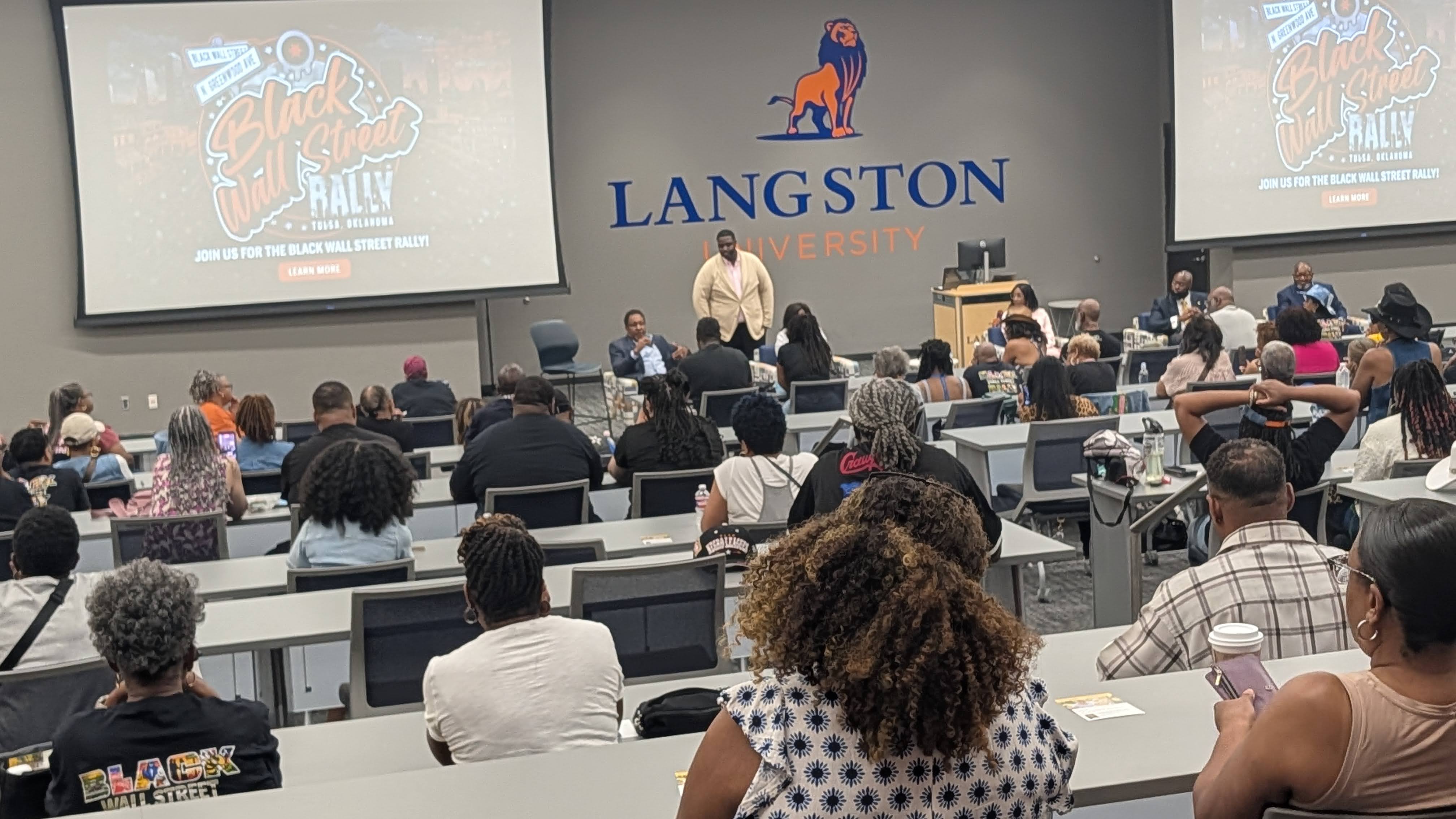
Wealth Is More Than Money: Reflections from the Wealth Continuity Panel at the Black Wall Street Rally
One of the most impactful sessions I attended during the Black Wall Street Rally Weekend in Tulsa was the Wealth Continuity Panel at Langston University. Rather than focusing solely on how to make money, the panel challenged us to think about something much bigger: how to build wealth that lasts beyond our lifetime.
As I listened to the discussion, I couldn't help but think about the legacy of Black Wall Street itself. Greenwood was built on entrepreneurship, ownership, and community. While much has been written about its tragic destruction, the lessons that remain are equally important. Wealth isn't simply earned—it must be protected, nurtured, and intentionally passed on.
One of the strongest messages from the panel was that generational wealth begins with generational knowledge. Many of us grew up learning how to work hard, but not necessarily how to invest, reduce taxes, create an estate plan, or prepare our children to manage wealth responsibly. If every generation has to start over financially, we're not building a legacy—we're repeating a cycle.
The panelists emphasized that financial education should become part of our family conversations. Teaching our children about budgeting, investing, compound interest, and ownership may be one of the greatest inheritances we can leave behind.
Another myth the panel quickly dispelled was that investing requires significant wealth. Speaker after speaker shared examples of ordinary people who built substantial assets by making small, consistent investments over many years. Whether it's contributing to a 401(k), taking advantage of employer matching, purchasing life insurance, or automatically investing a portion of each paycheck, consistency matters far more than trying to time the market or waiting until you "have more money."
Perhaps my favorite insight was the distinction between saving money and building wealth.
Saving is important, but savings alone rarely create financial independence. Wealth comes from owning assets that appreciate, generate income, and continue working long after we've stopped working ourselves. That requires discipline—choosing ownership over consumption and investing over instant gratification.
The discussion also highlighted the importance of planning for what happens after wealth is created. Wills, trusts, beneficiary designations, and estate planning aren't topics reserved for the ultra-wealthy. They're practical tools that help ensure your life's work benefits your family instead of becoming tied up in probate or unnecessary taxes. Planning isn't about expecting the worst; it's about preparing your loved ones for the best possible future.
Another valuable reminder was that building wealth isn't only about earning more—it's also about keeping more. Understanding tax strategies, taking advantage of retirement accounts, and leveraging available financial resources can dramatically improve long-term financial outcomes. Financial literacy truly pays dividends.
The panel closed with practical advice that anyone can begin implementing today:
- Build an emergency fund.
- Track where your money goes.
- Automate your savings.
- Maximize employer retirement matching.
- Review your beneficiaries regularly.
- Continue learning about personal finance.
None of these steps require extraordinary income. They simply require intentional action.
As I left Langston University, one thought stayed with me: wealth is more than what we accumulate—it's what we sustain.
The true measure of wealth isn't the size of our bank account. It's whether the next generation inherits greater opportunity, stronger financial habits, and the knowledge to build on the foundation we've laid.
That may be the most enduring lesson of Black Wall Street. Legacy isn't created overnight. It's built through intentional decisions made every day, then faithfully passed from one generation to the next.